
How many of you wear a smart ring, a smartwatch, or any other health wearable? Leonard Rinser (Founder and Managing Partner at Venture Institute) opened the session on AI-native clinics at The Vertex Summit with that question, and plenty of hands went up. Then he asked how many had ever had a doctor look at that data, and almost every hand went down. Healthcare has more data than ever, and what is missing is the action.
That gap between the data we generate and the care we receive ran through The AI-Native Clinic: Building Preventive Care from Day One, a panel with Jared Aron (CEO and co-founder of Coherent Healthcare), Lucas Mittelmeier (investor at Heal Capital and writer of the Healthtech Off The Record newsletter), and Jorge Pérez (Country Director Spain at Tandem Health). The conversation kept returning to one idea, that the technology for an AI-native clinic is largely ready and what decides whether it works is everything around it.
An AI-Native Clinic Needs Data That Leads to Action
Having data does not automatically improve outcomes, and a clinic that plugged every ring and watch into its systems tomorrow would quickly leave physicians facing a stream nobody had filtered. The useful test is whether a data source improves a result for the patient or exists for its own sake.
Consumer data shows how often it fails that test. In a16z’s State of Longevity report, 55% of US wearable users surveyed said their data had never prompted a behavior change or a doctor’s visit. Accuracy and reliability are part of the same test. Some wearable makers now pursue medical device status, as Apple did for AFib detection, while Whoop received an FDA warning letter over a blood pressure feature the company did not consider medical. Preventive care from day one means acting before something happens, and that requires data clinicians can actually use, with agents that prepare information before the doctor walks in and people still heavily involved in care.
Much of the problem also sits outside the clinic, since patients spend around 99% of their time away from their provider, and that is where many care journeys break down. Even well-known preventive care providers can run patient service on generic support tools built for e-commerce. When rescheduling is painful or answers never come, patients disengage, and an operational problem becomes a clinical one. The goal is to make talking to a healthcare provider feel closer to talking to a friend, reaching patients at the right time, in the right place, and in the right way.
Adoption Is Fast, Implementation Is Slow
AI tools are reaching clinics at a pace earlier healthcare software never saw. Electronic health records took about 20 years to reach roughly 90% adoption in large European markets, while ambient scribes went from almost zero to around 60% in two or three years. Diagnostic machine learning shows the contrast, with 10 to 15 years on the market and far less uptake in clinical use cases that are more regulated and have always been harder to win. Administrative tools face fewer barriers and spread bottom-up, one clinician at a time.
The market is still far from saturated, and by Tandem’s estimate only about 2% of the roughly 400 million consultations held in Spain each year run with a scribe. The company, which recently raised a $100M Series B, wants to go beyond documentation toward clinical guidance, with the doctor remaining the final validator of every decision. A single consultation produces dozens of agreed actions that matter enormously to the patient, and AI can help make sure none of those threads get lost. Getting there still depends on regulation, reimbursement, go-to-market, and adoption.
Not every AI tool gets that bottom-up pull. A clinician can start using an ambient scribe tomorrow, while front-office tooling involves several teams and needs a lot of interoperability across the stack. The gap between how the innovation community imagines clinics and how they actually run can also be very large. One of Coherent’s early customers, a clinic that turns over around £1.5M a year, has a finance manager who is a certified accountant with a decade at the clinic. She is very good at her job, which does not involve much technology, and when asked for back-office data, she pointed to a filing cabinet.
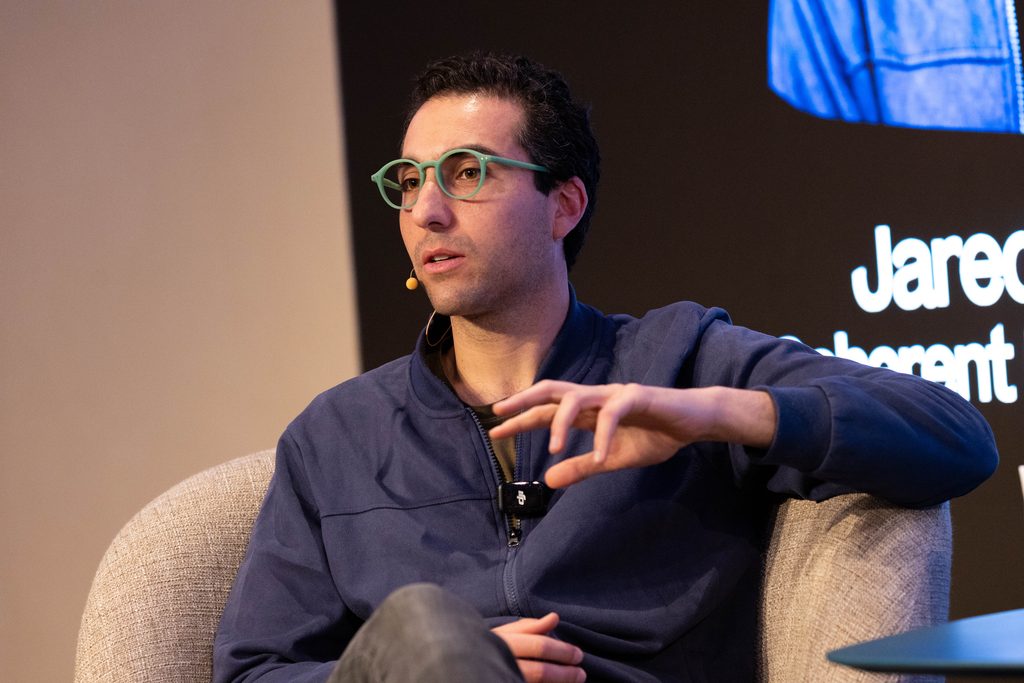
After the contract is signed, integration alone is a major effort in Europe, where hundreds of electronic health record systems coexist and Tandem has already integrated with more than 130. In healthcare, the sale is a one-person job and what comes after takes three.
Where a scribe unlocks efficiency gains the buyer can actually see, willingness to pay rises sharply, and license prices in the Nordics run two to three times higher than in Spain. Clinic owners, on the other hand, often say scribes give their teams time back without bringing more patients, more new intake, or a smaller headcount. Time saved helps retention and satisfaction, and it rarely shows up on the P&L by itself. Tools that work in the background face an even harder test. With no daily or monthly active use to point to, their impact has to show up in the clinic’s quarterly results, and half the work becomes helping the customer see it.
Trust Is Built by People
While the common narrative says AI will take people out of processes, healthcare is seeing the opposite for now, as companies hire more people to help clinicians adopt the tools. As Lucas put it, “building software, running software is a commodity, but the trust is not.”
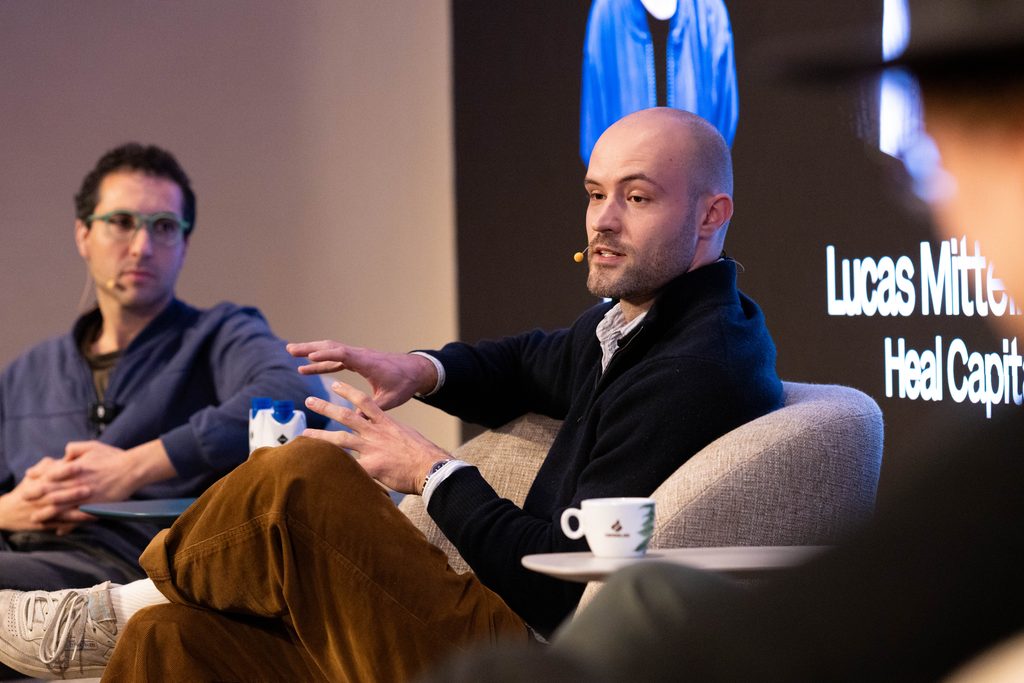
Since doctors rely heavily on peer review and peer adoption, Tandem puts medical doctors in charge of implementations and support. They know what a medical note and a day of consultations look like, and a colleague who has lived the same documentation burden is far more convincing than a traditional support team. Coherent takes a different route to the same goal, embedding its own people in the clinic’s front office and running its technology end to end, owning the full outcome instead of handing the last 20% to an in-house team.
Patients have their own trust questions. One example shared on stage involved a patient contacted after a year without visiting, who replied that he was still in pain from his last procedure. That is no moment for a model that might hallucinate. In private care, where patients pay significant sums and expect premium service, many simply ask to speak to a person. Data handling weighs just as much, and even healthcare executives expect their own personal data to be treated with the care their organizations promise patients. Any AI-native clinic has to balance a product that removes friction with credibility on regulation, evidence, and data handling.
Prevention Has to Prove Itself and Find a Payer
Medical device certification can take a year or more, which slows companies down, yet being first to market with certified products creates defensibility in enterprise and public procurement. Tandem now waits for certification before launching anything, and each of its three products on the market is certified as Class IIa. Compliance talent deserves the same investment as commercial and engineering talent, because if any of those three fails, the company fails.
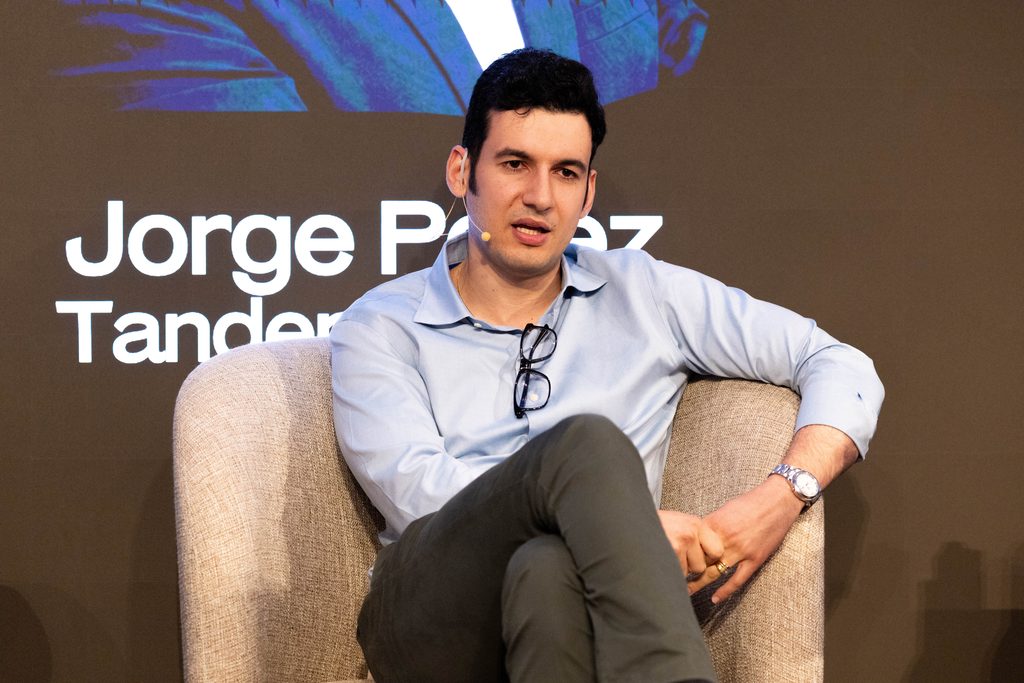
Prevention faces an even higher bar, because in the long run, a preventive service has to prove it helps people live longer. Launching on a hypothesis and generating evidence later is a reasonable path, as long as well-funded companies eventually do the work. A consumer health company that raises hundreds of millions could put $5M into controlled, forward-looking trials that test whether it improves lives and saves costs.
Then there is the question of who pays. Doctors spend less than half their time with patients while demand keeps rising, so it makes sense that startups tackled admin first. Prevention pays off over years, which makes it harder to find someone willing to fund it, and European insurers are unlikely to push it hard in the near term. One possible path is a consumer health company good enough at prevention to become its own insurer and stand behind its claims. That only works if it actively steers patients and makes real use of its data. Offering coverage without a hands-on role would not hold up.
Where This Leaves the AI-Native Clinic
Asked about the future, the panelists described operations light enough that care provision can shine through instead of being buried under 18-month waiting lists, patients who control their own data through agents that gather it from every provider and insurer, and AI in every consultation within a couple of years, with doctors firmly in charge. Leonard summed it up in one line: health needs to be AI-enabled so that human interaction can become the center of care again.
Digital health is GoHub Ventures’ primary thesis, and our investment thesis explains what we look for. If you are building the tools that will make AI-native care work in practice, apply here.

