
At GoHub Ventures, we invest in startups that do more than just talk AI; they put it at the core of their businesses. From early disease detection to orchestrating emergency responses on digital dashboards, our portfolio companies demonstrate how artificial intelligence is transforming vertical industries and horizontal business productivity through tangible, impactful solutions.
Proactive and Precise Healthcare Powered by AI
Healthcare is evolving from reactive treatment to proactive prevention and AI is leading that change. Aeon, based in Switzerland, has developed an AI-powered preventive health platform that combines full-body MRI scans, blood biomarkers, and genetic data into a single, one-hour check-up. The result is the ability to detect over 500 health conditions with clinical precision, so far reporting zero false positives in follow-up tests. What once required multiple specialists and weeks of testing can now happen in under an afternoon, making early detection more accessible and efficient.
Meanwhile, Spain’s Quibim is tackling healthcare’s biggest bottleneck: diagnostic imaging. Their AI models analyze MRI, CT, and PET scans to extract microscopic patterns, biomarkers invisible to the human eye, that help clinicians diagnose diseases faster and more accurately. From oncology to neurology, their technology is already in use at major hospitals, including a recent rollout across seven UK NHS centers to aid in the early detection of prostate cancer.
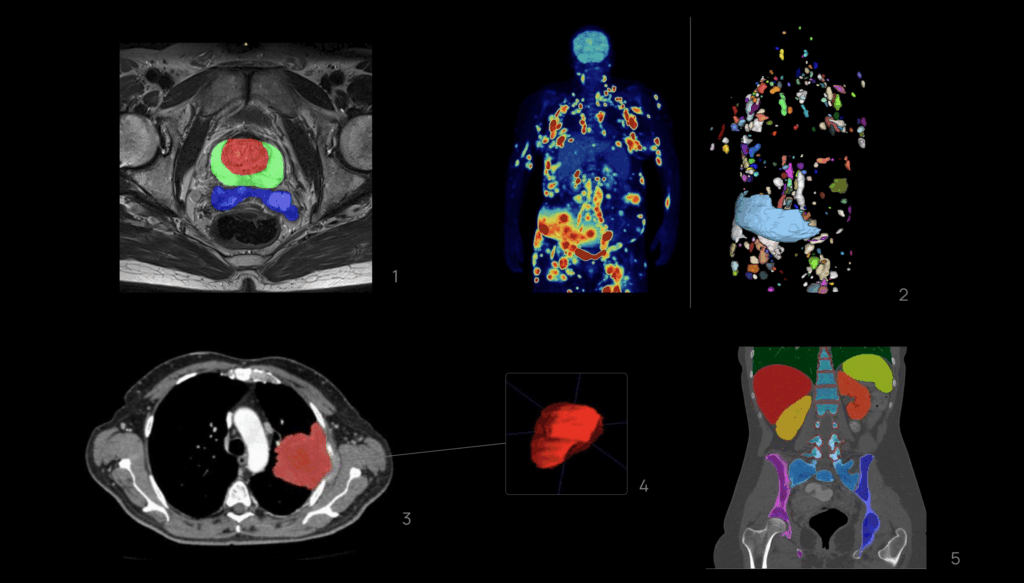
Together, Aeon and Quibim highlight a future where AI is not just a tool for doctors, but a force multiplier; enabling earlier insights, reducing uncertainty, and improving outcomes for patients and health systems alike.
Transforming Defense with AI-Driven Decisions
From saving lives in hospitals to safeguarding them on the front lines, AI is proving indispensable in defense and security. In environments where every second counts, it turns massive amounts of data into clear, actionable intelligence that helps teams plan faster, respond smarter, and reduce risk.
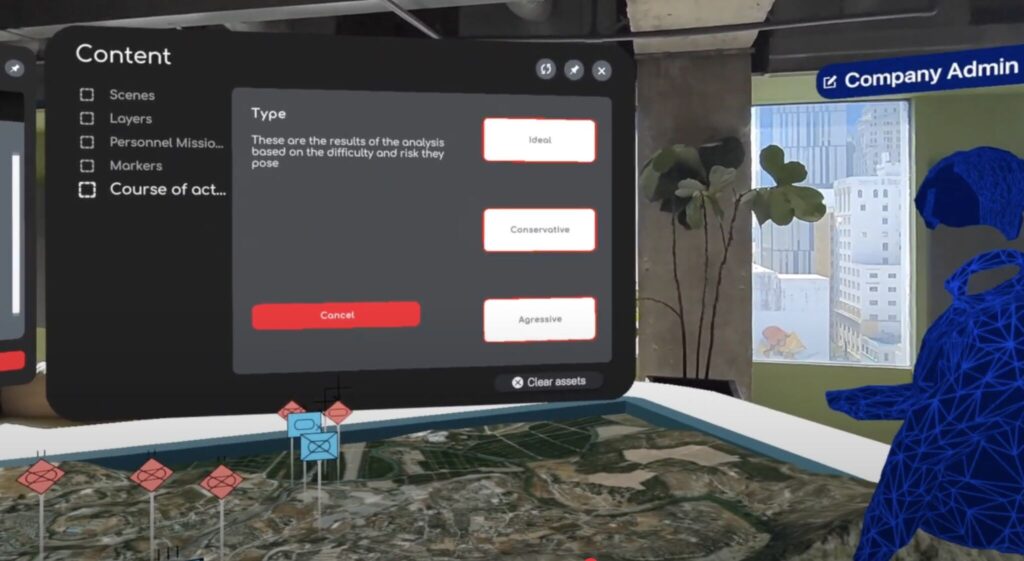
XRF’s AI-powered command platform consolidates diverse sources such as satellite imagery, drone footage, and sensor data, turning them into actionable insights in real time. Already trusted in NATO exercises and by Spain’s Ministry of Defense, XRF enhances situational awareness and accelerates decision-making during critical operations. By reducing uncertainty and speeding response times, it shows how intelligent systems can redefine operational effectiveness in high-stakes environments.
Smarter, Self-Managing Networks with Autonomous AI
AI is also transforming the invisible infrastructure that powers our daily lives: networks. Behind every video call, streaming session, or instant message lies a complex web of mobile networks, and keeping them running smoothly is no small feat.
Kenmei tackles this challenge with autonomous AI agents that manage telecom networks in real time. Its platform analyzes billions of daily connections, predicts demand spikes, detects anomalies, and automates routine tasks. For engineers, this means less manual troubleshooting. For users, it means better connectivity and fewer outages. This is the future of AI-powered telecom: networks that manage themselves.
Similarly, SEWDEF brings AI-driven intelligence to an older but no less essential type of network: our sewer systems. By analyzing flow patterns and detecting anomalies in real time, Inloc Robotics’ SEWDEF software helps cities prevent overflows, reduce pollution, and protect public health, proving that even legacy infrastructure can benefit from smart, autonomous monitoring.
AI-Powered Insights from Satellite Imagery
Auravant and EarthPulse apply AI to satellite imagery to turn vast streams of Earth observation data into actionable insights. Auravant focuses on agriculture, using AI to analyze vegetation indices and detect anomalies in crop fields, helping farmers make timely, data-driven decisions. EarthPulse, meanwhile, applies machine learning to monitor infrastructure and environmental risk; combining satellite, weather, and traffic data to predict road hazards and climate impacts, enabling smarter responses across sectors like mobility, insurance, and energy.
Boosting Business Productivity Through AI Automation
The impact of artificial intelligence isn’t limited to vertical industry use-cases; it’s also transforming how businesses handle horizontal operations common across industries: automating or augmenting human capabilities in customer interactions, and administrative workflows is no longer optional, it’s becoming the foundation of productivity.
Aunoa’s generative AI chatbots efficiently handle up to 67% of inbound inquiries across WhatsApp, live chat, and messaging platforms, lowering support costs while enhancing customer satisfaction. Indigitall enables brands to run intelligent, personalized messaging campaigns across multiple channels, scaling engagement with precision. Vozy offers conversational voice AI that manages calls autonomously, liberating human teams to focus on more complex tasks.
Meanwhile, Docuten streamlines legal and administrative processes by combining AI with e-signature and e-invoicing workflows, replacing cumbersome paperwork with seamless digital experiences. Together, these companies show how AI-driven automation gives teams the freedom to focus on creativity, decision-making, and real human connection.
Finally, Fracttal extends this productivity boost to the physical world by using AI to optimize asset maintenance. Its AI-driven maintenance management platform predicts equipment failures before they happen, automates maintenance scheduling, and ensures critical infrastructure stays operational; helping businesses across sectors reduce downtime, cut costs, and extend the life of their assets.
Looking Ahead
This is just a snapshot of how GoHub Ventures’ portfolio is using AI to transform industries, from healthcare and defense to telecom and business automation. And it’s only the beginning. Artificial intelligence is reshaping the world at an unprecedented pace, unlocking new frontiers of innovation and redefining what’s possible. The future belongs to those companies mastering AI’s power, not just to automate, but to rethink what’s possible.

